
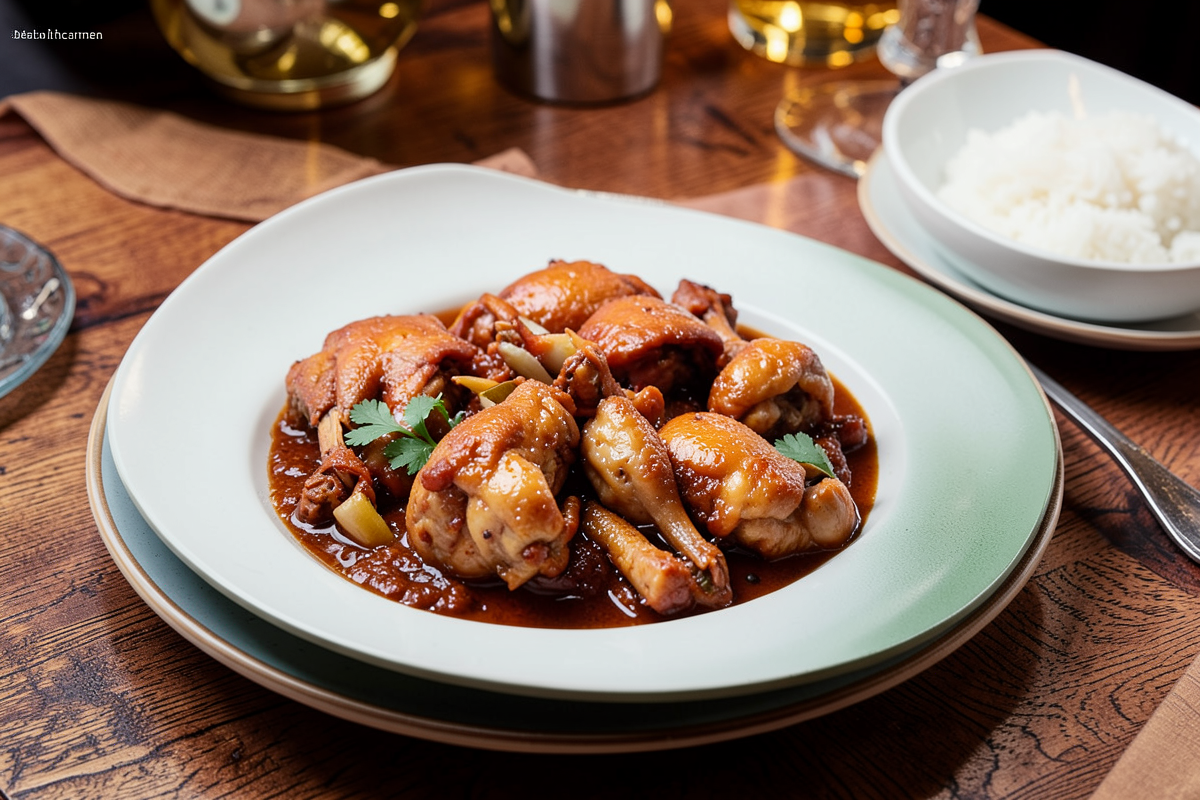
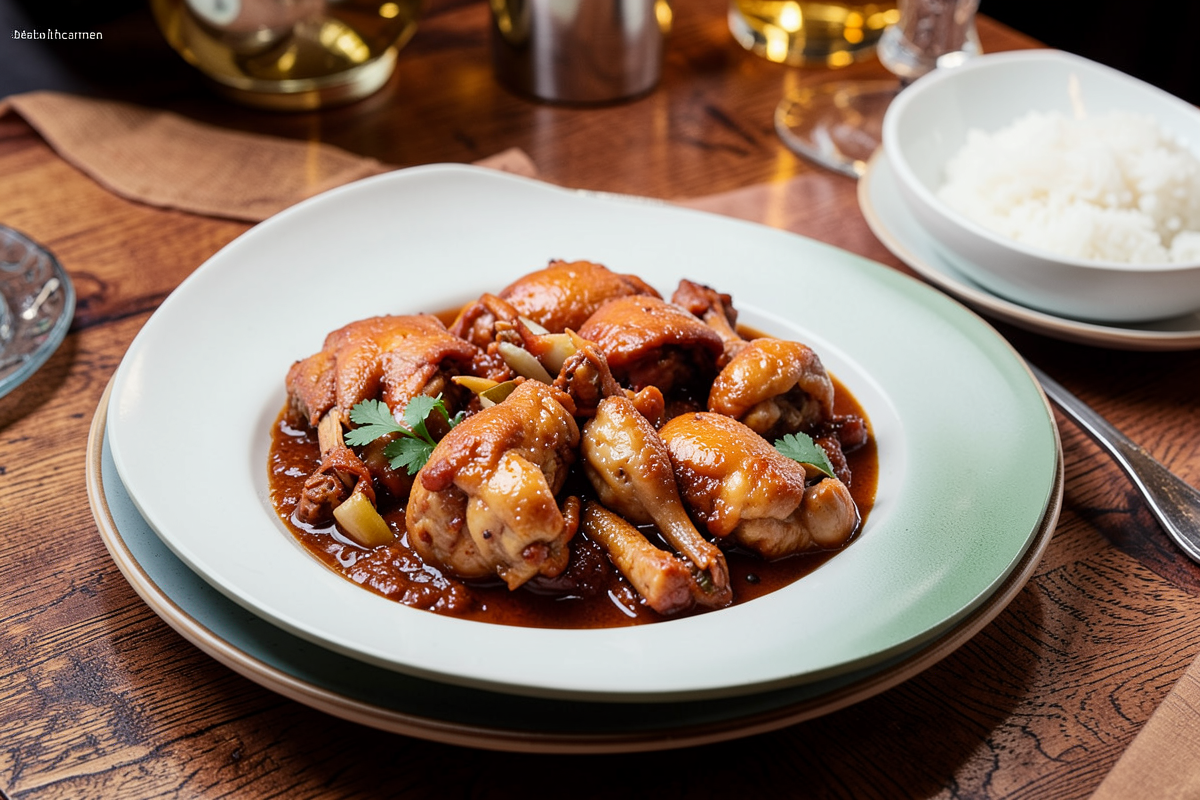
 Imagine a dish that shows what a country is all about. In Filipino cooking, that dish is adobo. It is a very important part of being Filipino. Before Spanish people came, local groups already kept meat fresh using vinegar and spices. This way of cooking was later called adobo, a name derived from a Spanish word, and it became a main traditional Filipino food.
Adobo is not just one dish; it is a way of cooking. There are many different versions of filipino adobo. These different kinds show how diverse Filipino food is, utilizing special ingredients, unique cooking methods, and distinct tastes from all over the Philippines. Every adobo is truly special. Get ready to learn about 10 dishes you must try—these are regional Filipino adobo variations you need to taste.
Key Takeaways
-
Adobo is a Filipino dish. It is cooked in many ways. Different regions in the Philippines have their own versions.
-
Local cooks use special ingredients. These include coconut milk, turmeric, and achiote. They make different tastes and colors.
-
Adobo has many choices. These include pork, chicken, and seafood. It also has healthy vegetables. Water spinach is one example.
-
Cooking ways change. Some are rich and creamy. Others are dry and crispy. Meats are fried in their own fats.
Classic Chicken and Pork Adobo
Luzon's Signature Adobo
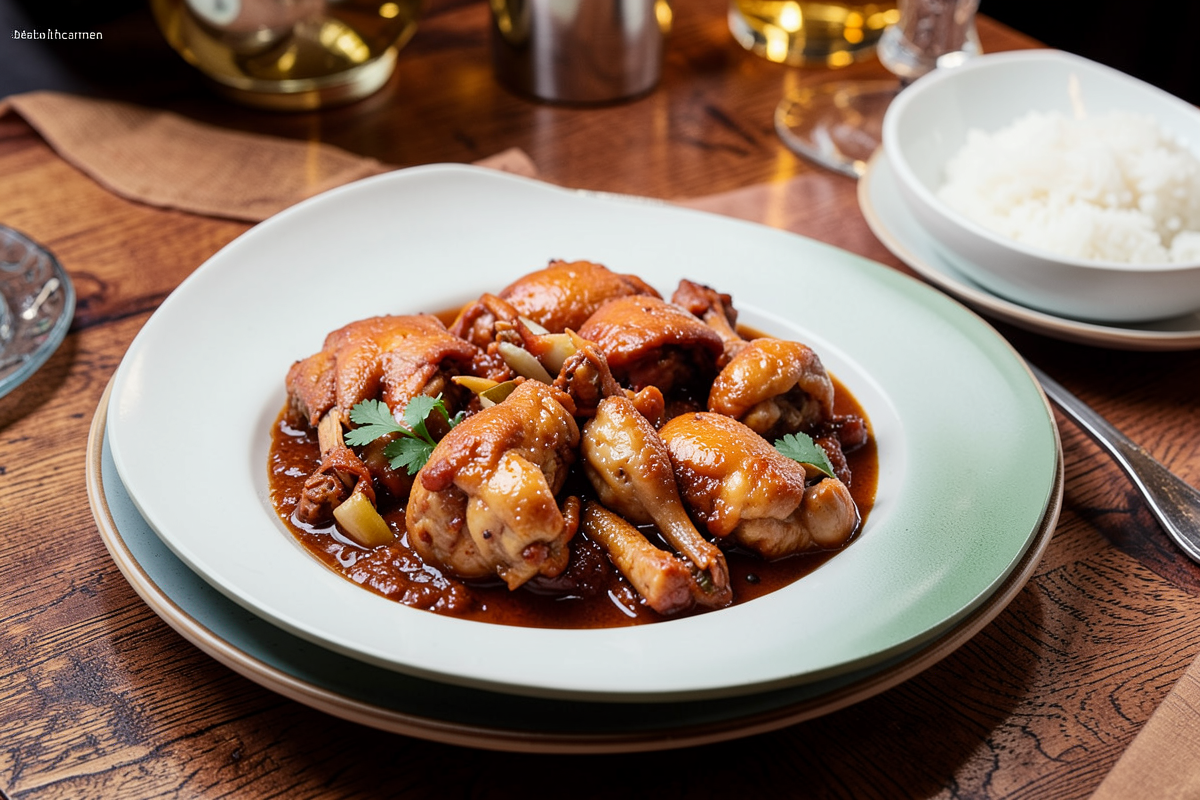
When you think of adobo, you probably picture the classic chicken and pork adobo. This dish is famous in Luzon. Luzon is the biggest island in the Philippines. It is what many people think of as real Filipino adobo. This dish uses Filipino soy sauce. It also has white vinegar. Lots of crushed garlic is in it. Whole peppercorns are used too. Sometimes, cooks add oyster sauce. Dried bay leaves make the flavor deeper. Other Luzon areas have their own adobo. Pampanga's Adobong Puti uses salt. It has a clear sauce. Bicol's Adobo sa Coconut Milk has coconut milk. It also has chilies. But the classic version is still very popular.
This traditional dish often uses pork belly. It also has bone-in chicken pieces. Thighs or drumsticks are common. First, you cook crushed garlic. You use hot oil. Cook it until it is golden brown. Then, you brown the pork and chicken. Cook them for about five minutes. This step makes the meat taste richer. After browning, you add liquids and spices. You stir in soy sauce. Add oyster sauce and water. Put in peppercorns and bay leaves. Bring this mix to a boil. Then, cover it and let it cook slowly. This helps the flavors mix well into the meat.
The Quintessential Filipino Flavor
The way classic chicken and pork adobo is cooked makes its famous taste. You cook the meat slowly. It becomes very soft. For example, take out the chicken. Do this when it reaches 165°F inside. But keep cooking the pork. Cook it until it is easy to pull apart. You can add more water. Do this if the pot gets too dry. Once the meat is soft, put the chicken back. Then, add white vinegar. Let it boil without stirring at first. This makes the vinegar less sharp.
After the vinegar boils, stir in a little brown sugar. This makes the taste balanced. It adds a little sweetness. Keep cooking the adobo slowly. Do this until most of the liquid is gone. The sauce gets thick. It covers the meat. This makes the flavor very strong. The dish tastes savory and tangy. It is a little sweet. It smells wonderful. This classic chicken and pork adobo shows the rich flavors of Filipino food. It is a must-try Filipino adobo. It shows the heart of the country's food history.
Adobong Puti
The Original White Adobo
You might think of dark, soy-sauce-laden dishes when you hear "adobo." But let us introduce you to Adobong Puti, or "White Adobo." This version takes you back in time. Before Chinese traders brought soy sauce to the Philippines, people already made a similar dish. They used vinegar to preserve meat. This old way of cooking, like a method of preserving food with vinegar, kept food fresh. Today, we call these soy-sauce-free dishes adobong puti. They show us the true roots of this traditional filipino food.
This unique adobo stands out because it uses no soy sauce. Instead, it relies on salt and vinegar for its main flavor. This gives it a lighter look and a purer taste. It is a key example of the many different versions of filipino adobo. Trying Adobong Puti helps you understand the history of filipino cuisine. It shows how people adapted ingredients over time.
Salt and Vinegar Braise
Making Adobong Puti involves a simple yet powerful cooking method. You start with 500g of pork pork belly or spareribs. Marinate the pork in 5 tbsp of Knorr Liquid Seasoning. Add 1 tsp of crushed black peppercorn and ½ Knorr Pork Cube for extra flavor. Next, sear the marinated pork in a hot, oiled pan until it turns brown. This step locks in the meat's juices.
After searing, add a whole head of crushed garlic. Then, pour in 2 cups of high-quality Ilocos vinegar and 1 cup of water. You must simmer this mixture uncovered for 15 minutes. Do not stir it during this time. This lets the harsh acidity of the vinegar cook off. Then, add pork broth, cover the pot, and simmer on low heat. Cook it until the meat becomes fork-tender. This method creates a lighter, tart, and pure adobo. It offers a clean, tangy taste that is truly refreshing.
Adobong Yellow
Yellow Turmeric Adobo
You know classic adobo. You also know the white kind. Now, try Adobong Yellow. It is a bright new adobo. "Yellow" means yellow. This adobo gets its name from turmeric. Turmeric is a root. It makes the dish golden. It also adds a special taste. This adobo is a cooking treasure. It shows how rich Filipino cooking is.
This yellow adobo looks good. It also has strong ties to certain places. People in Batangas Province know it well. It is a big part of their food. It comes from Taal. This is an old town in Batangas. So, tasting Adobong Yellow is like tasting history.
Earthy and Aromatic Profile
Adobong Yellow tastes special. It is different from other adobos. It has no soy sauce. Other things give it flavor. It has sliced pork. It uses white vinegar. Lots of garlic is in it. It also has chopped yellow onion. And sliced turmeric, or turmeric. Dried bay leaves make it smell good. Cooks often add a pork or beef cube. Or beef powder. This makes it taste richer. It helps without soy sauce. A little white sugar balances the sour taste. Water and peppercorns finish the sauce.
You cook the meat with these things. Turmeric makes it yellow. It also adds a warm, earthy taste. It is a bit strong. This makes the adobo tangy. It smells very good. It tastes deep. It is not like soy sauce adobos. You must try Adobong Yellow. It shows the many Filipino foods.
Adobong Coconut Milk
Creamy Coconut Milk Adobo
Adobo is often savory and tangy. But have you tried a creamy one? Adobong Coconut Milk is a nice change. This adobo uses rich coconut milk. Or it uses cream. It makes the dish smooth. It feels luxurious. This makes it special. It is different from other adobos. The coconut milk makes the vinegar less sharp. It tastes mild. But it has deep flavor.
This adobo is popular. It is liked where coconuts grow. Coconut milk makes the sauce different. It gets thicker. It becomes velvety. You will really like this adobo. It feels warm and comforting. This creamy adobo shows Filipino cooking. It is very flexible.
Bicol's Rich and Spicy Adobo
Bicol is a Philippine region. It loves spicy food. It also loves coconut milk. Adobong Coconut Milk from Bicol is often spicy. You can make spicy chicken adobo. First, mix chicken with soy sauce. Add vinegar. Let it soak up flavors. Next, cook chopped garlic. Use a hot pan. Then, add chopped onions. Add bay leaves. Add crushed black pepper. You can also add green chilies. This makes it hot.
The smells will be good. Then, add the chicken. Add its liquid. Cover the pan. Let it cook for 8 to 10 minutes. This makes the chicken soft. Then, stir in rich coconut cream. You can also use coconut milk. Cook it gently. Do this until the chicken is soft. The liquid will get thick. It becomes a creamy sauce. For pork, brown pork cubes. Then, cook garlic and onions. Add vinegar to the pan. Add liquid seasoning. Add pork broth base. Add water, pepper, and a laurel leaf. Cook until the liquid is less. Finally, add coconut milk. Keep cooking until it is thick. It will be a creamy sauce. This adobo is savory and creamy. It is often spicy.
Adobong Red
Achiote Red Adobo
You know classic adobo. You know the white kind. Now, meet Adobong Red. It means "Red Adobo." It looks special. It has a bright red color. This color comes from achiote. Achiote is also called annatto. It is a seed. It makes food reddish-orange. It adds a light, earthy taste. This makes the adobo look great. It tastes unique. You will love it.
Adobong Red uses special things. They make its taste. Achiote oil or seeds give it color. It also has vinegar. It has garlic. Often, it has soy sauce. These are like other adobo dishes. This mix makes it savory and tangy. Achiote makes it special. It shows how varied Filipino food is.
Vibrant Color and Subtle Earthiness
Making Adobong Red is fun. It brings out flavors. First, warm annatto oil. Use a pot. Then, brown your meat. Use chicken, pork, or seafood. Cook until it is browned. Next, add garlic, ginger, and onion. Cook them until they smell good. This builds a strong taste.
After that, add soy sauce. Add vinegar and water. Let it cook slowly. The sauce will get thick. It will cover the meat. To season, add black pepper. Add bay leaves. Add fish sauce. Add a little brown sugar. This makes flavors balanced. The dish tastes savory and tangy. It has a light earthy taste. This comes from achiote. It is a special adobo.
Adobong Dry
Dry-Style Adobo
You know adobo as a saucy dish. But have you tried Adobong Dry? "Dry" means dry. This version of adobo cooks until almost all the liquid is gone. It is a unique take on a traditional filipino food. The meat becomes very tender first. Then, it fries in its own fat. This process makes the meat crispy. It also concentrates all the flavors. You get a dish that is intensely savory and tangy.
This dry style is popular in many Filipino homes. It offers a different texture experience. You will find the meat has a delightful crispiness on the outside. The inside remains juicy and flavorful. It is perfect if you love strong tastes. This adobo is also great for meal prepping. It keeps well. You can enjoy its rich flavors for days.
Intense Flavor Concentration
The magic of Adobong Dry lies in its cooking method. You start with your usual adobo ingredients. Think pork or chicken, vinegar, soy sauce, garlic, and peppercorns. You stew the meat until it is very tender. This allows the flavors to soak deep into the meat. Then, you continue cooking. You let the sauce reduce. It gets thicker and thicker. Eventually, the liquid evaporates almost completely.
What remains is a highly concentrated flavor. The meat then fries in the rendered fat. This step creates a beautiful crispiness. You get a dish that is savory, tangy, and incredibly rich. Each bite delivers an intense burst of flavor. The crispy texture adds another layer of enjoyment. It is a truly satisfying way to experience adobo. You will love how the flavors deepen and intensify.
Adobong Squid
![Adobong Squid]
Savory Squid Adobo
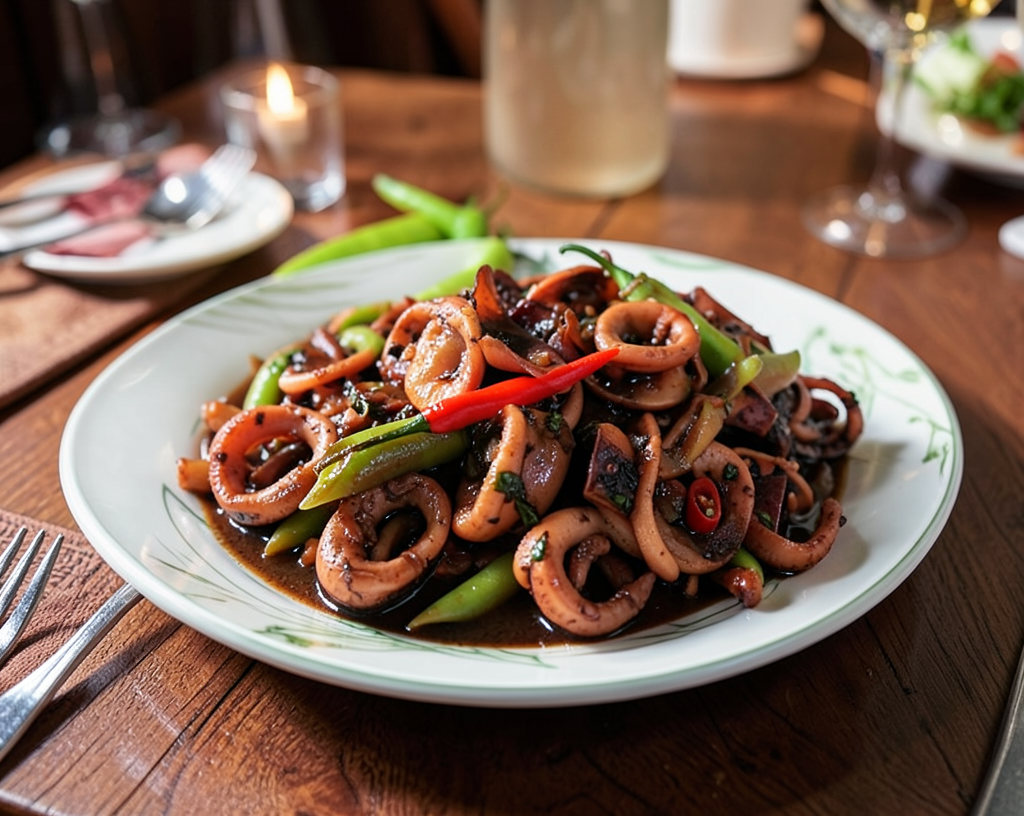
You know adobo can be made with chicken or pork. But have you ever tried it with seafood? Let us introduce you to Adobong Squid, or squid adobo. This dish is a fantastic example of the many different versions of filipino adobo. It brings the classic adobo flavors to the ocean. You get a savory, tangy taste with a unique briny kick from the squid. It is a must-try if you love seafood and want to explore more Filipino dishes.
To make this delicious dish, you start with 1 kg of squid, often called squid. First, wash the squid well under cold running water. You need to detach the internal transparent quill. You can also remove the dark outer membrane if you like. If your squid are small, keep them whole. For larger squid, slice them into half-inch rings. Make sure to leave the tentacles intact. Do not throw away the ink; you will use it later! Next, prepare your aromatics. Heat 2 tablespoons of vegetable oil in a pan. Sauté 6 minced garlic cloves and 1 diced medium onion until they smell good. Then, add 3 diced tomatoes and 1 finger chili. Cook these until the tomatoes soften and wilt.
Briny and Umami-Rich Seafood Adobo
Now, it is time for the main cooking. Add your cleaned squid and the reserved ink to the pan. Stir-fry everything for about 60 seconds. This quick cooking helps keep the squid tender. Next, pour in 1/4 cup of vinegar. Add 1 bay leaf, 1 tablespoon of brown sugar, and 1/4 teaspoon of ground black pepper. Let this mixture simmer for about 3 minutes. You will see the squid change in size and color. The squid ink does more than just add flavor; it gives the dish a distinctive dark hue. This makes for a bold, rustic presentation.
The flavor profile of Adobong Squid is truly special. It is briny from the squid, savory from the garlic and other seasonings, and slightly tangy from the vinegar. The squid ink adds a unique umami depth that you will not find in other adobo dishes. This makes it a rich and satisfying meal. Serve it hot with rice, and you have a complete, flavorful experience. This seafood adobo shows how versatile the adobo cooking method can be.
Adobong Manok sa Young Coconut
Chicken with Young Coconut Adobo
You have seen many adobo types. Now, try a special one. It is Adobong Manok sa Young Coconut. This means "Chicken with Young Coconut Adobo." It changes chicken adobo. It adds a tropical touch. This version is special. It uses young coconut meat. It also uses sweet coconut juice. This makes a rich sauce. It shows adobo's many uses.
This adobo is liked. It is popular where coconuts grow. Places like Quezon or Bicol use it. People there cook with fresh coconut. They mix adobo items. These are chicken, vinegar, garlic, and soy sauce. They add young coconut. The chicken cooks in coconut juice. It also cooks in adobo sauce. This makes the chicken sweet. It makes the meat very soft.
Natural Sweetness and Unique Texture
Adobong Manok sa Young Coconut tastes great. It mixes sweet, savory, and tangy. Coconut juice makes it sweet. It balances the vinegar. This makes a nice taste. The sauce is richer. It is thicker than other adobos. This is from the coconut juice. It gets less as it cooks.
This dish has a special feel. The chicken gets very soft. It melts in your mouth. The young coconut meat is key. It cooks until soft. It is like jelly. This adds to each bite. It goes well with chicken. You should try this adobo. It gives a new view. It is a Filipino favorite. It is a great food experience.
Adobong Water Spinach
Water Spinach Adobo
You know adobo. It uses meat or seafood. But what about a veggie one? Meet Adobong Water Spinach. It uses kangkong. This is water spinach. It is a green leaf. This adobo is light. It is fresh. It shows Filipino cooking. It is very flexible.
To make it, use simple things. Use fresh kangkong. Use vinegar and garlic. Often, use soy sauce. Some add sugar or chili. Water Spinach cooks fast. It stir-fries or braises. It soaks up flavors. It stays crisp.
Water Spinach is tasty. It is also good for you. It has many nutrients. A half-cup (45g) has protein. It has calcium and phosphorus. It has iron. It has beta-carotene. It has thiamin and riboflavin. It has niacin and vitamin C. This veggie has vitamins A and C. It has magnesium. It has fiber. It has antioxidants and lutein. Water Spinach helps lower blood sugar. It lowers blood pressure. It lowers cholesterol. It helps digestion. It helps your immune system. It helps eyes and bones.
Healthy Vegetarian Adobo
This makes Adobong Water Spinach healthy. It is a great choice. It is good for vegetarians. It adds greens to your diet. The taste is light. It is tangy and savory. It has a fresh green taste. It is different from meat dishes.
Making this dish is fast. It is easy. You get a tasty meal quickly. It is good as a side. It is good as a main dish. Eat it with rice. This adobo shows healthy food. It can be very yummy. You will like its fresh taste. You will like its health benefits.
Adobong Visayan
Visayan Dry-Fried Adobo
You have seen many adobo types. Some are creamy. Some have strong flavors. Now, meet Adobong Visayan. It comes from the Visayas area. People in Cebu know this dish. It is a "dry-fried" adobo. Most adobos have much sauce. This one cooks until dry. This makes a special texture. It also makes a strong flavor.
This dry adobo shows creativity. The meat gets very soft. It is often pork or chicken. Then, it fries in its own fat. This makes the meat crispy. It leaves a rich, oily coating. It does not have a thick sauce. This makes Adobong Visayan special. It is different from other adobos.
Crispy Meat and Reduced Sauce
Adobong Visayan aims for dry and crispy meat. You cook meat first. Use pork or chicken. Add vinegar, garlic, and soy sauce. Cook until the meat is very soft. This lets flavors soak into the meat.
Then, you keep cooking. The sauce gets much smaller. It cooks down to an oily glaze. The meat then fries in its own fat. It becomes very crispy. This makes a strong, savory, and tangy taste. Each bite has crispy meat. This makes this adobo very good.
You have seen many kinds of adobo. These show how creative Filipino cooking is. We looked at 10 types. They went from classic to dry-fried. Each area adds its own touch. Think of Bicol's Adobo sa Coconut Milk. Or Visayas' Adobong Puti. Batangas has Yellow Adobo. Cavite has Reddish Adobo. Pampanga has Dry Adobong Puti. You should try new things. Taste these dishes. Maybe cook them at home. Adobo is more than food. It shows Filipino culture. It shows history. It shows what each region is like. It proves how rich Filipino cuisine is. This traditional filipino food is great. Tell us your favorite adobo stories!
FAQ
What makes adobo variations different?
Adobo types use different main foods. Some use soy sauce. Others use salt. Some add coconut milk. Or they add turmeric. How it is cooked also changes. You can find dry kinds. You can find saucy ones. Each place adds its own special touch.
Can I make adobo without meat?
Yes, you can! Adobong Water Spinach is a good example. It uses water spinach. You can use other vegetables too. Try mushrooms or tofu. You still get the classic adobo taste. It is tangy and savory.
Is all adobo spicy?
No, not all adobo is spicy. Some kinds, like Bicol's Adobong Coconut Milk, often have chili. But many classic adobos are not spicy. You can add chili if you like it hot. Or you can leave it out.
Why is Adobong Puti called "white"?
Adobong Puti is "white" because it has no soy sauce. It uses salt and vinegar for taste. This makes it a lighter color. It also tastes purer and tart. It is an older adobo style.
Where can I find adobo recipes to try at home?
You can find many adobo recipes online. Look for food blogs. Or check cooking websites. Many Filipino chefs share their family recipes. You can also find cookbooks. These will help you find different regional adobos.














 Restaurant
 Catering Service
 Kakanin
 Packed & Food Tray Meals
 Pa-Luto Service
 Quick Service / Takeout
 Snacks & Sweets
 Street Food